
Ensuring Hygiene in Hygienic Catering Services
- devid gowdaperu
- Feb 9
- 3 min read

When organizing an event, the quality of food and its hygiene are paramount. I understand the importance of delivering meals that are not only delicious but also safe to consume. Ensuring hygiene in catering services is a responsibility I take seriously. It protects guests from foodborne illnesses and enhances the overall experience. In this post, I will share practical insights and actionable steps to maintain high hygiene standards in catering.
Maintaining Hygienic Catering Services: The Foundation of Trust
Hygienic catering services build trust with clients and guests. Cleanliness in food preparation and service areas prevents contamination and health risks. I always start by emphasizing the importance of a clean environment. This includes:
Regular cleaning of kitchen surfaces and equipment
Proper storage of ingredients at safe temperatures
Use of gloves and hairnets by staff
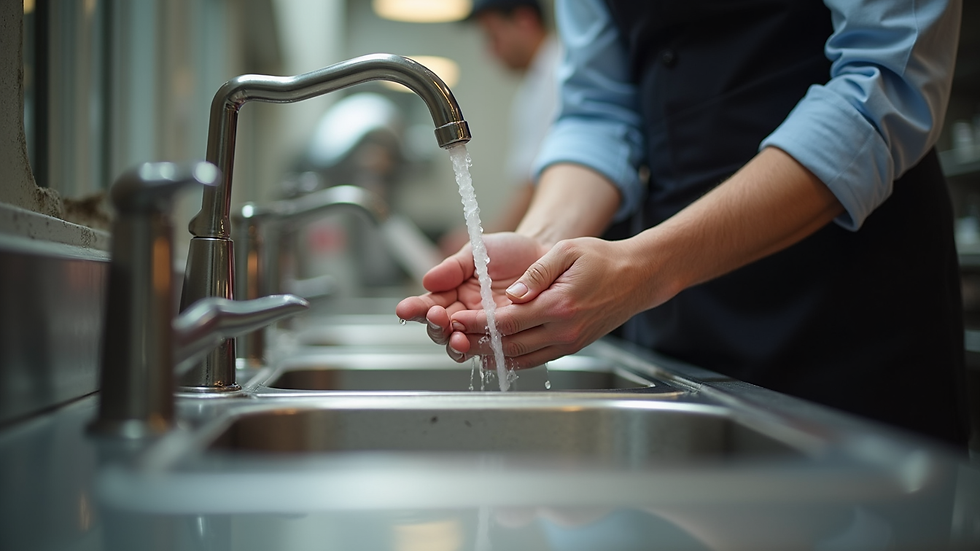
Frequent hand washing and sanitizing
For example, storing raw and cooked foods separately avoids cross-contamination. Refrigerators must be monitored to keep food fresh and safe. These simple yet effective practices form the foundation of hygienic catering services.

What are safety precautions in catering?
Safety precautions in catering are essential to prevent foodborne illnesses and accidents. I follow strict guidelines to ensure every meal served is safe. Key safety measures include:
Temperature Control
Keep hot foods above 60°C and cold foods below 5°C. Use food thermometers to check temperatures regularly.
Personal Hygiene
Staff must wear clean uniforms, wash hands frequently, and avoid touching food with bare hands.
Proper Food Handling
Use separate cutting boards for vegetables and meats. Avoid using the same utensils for raw and cooked foods.
Pest Control
Maintain a pest-free environment by sealing entry points and using safe pest control methods.
Waste Management
Dispose of food waste promptly and keep bins covered to prevent contamination.
By implementing these precautions, I ensure that every dish served meets the highest safety standards.
Training Staff for Consistent Hygiene Practices
A well-trained team is crucial for maintaining hygiene in catering services. I invest time in educating staff about food safety protocols and hygiene standards. Training covers:
Correct handwashing techniques
Safe food storage and handling
Cleaning schedules and procedures
Identifying signs of food spoilage
Regular refresher courses keep the team updated on the latest hygiene practices. I also encourage open communication so staff can report any concerns immediately. This proactive approach helps maintain a consistently clean and safe catering environment.
Choosing the Right Ingredients and Suppliers
Hygiene starts with the ingredients. I carefully select suppliers who provide fresh, high-quality produce and meats. Reliable suppliers follow strict hygiene standards during harvesting, processing, and delivery. This reduces the risk of contamination before the food even reaches the kitchen.
I inspect all deliveries for freshness and proper packaging. Any items that do not meet quality standards are rejected. Using fresh ingredients not only improves taste but also supports safe and hygienic catering practices.
Implementing Hygiene in Food Presentation and Service
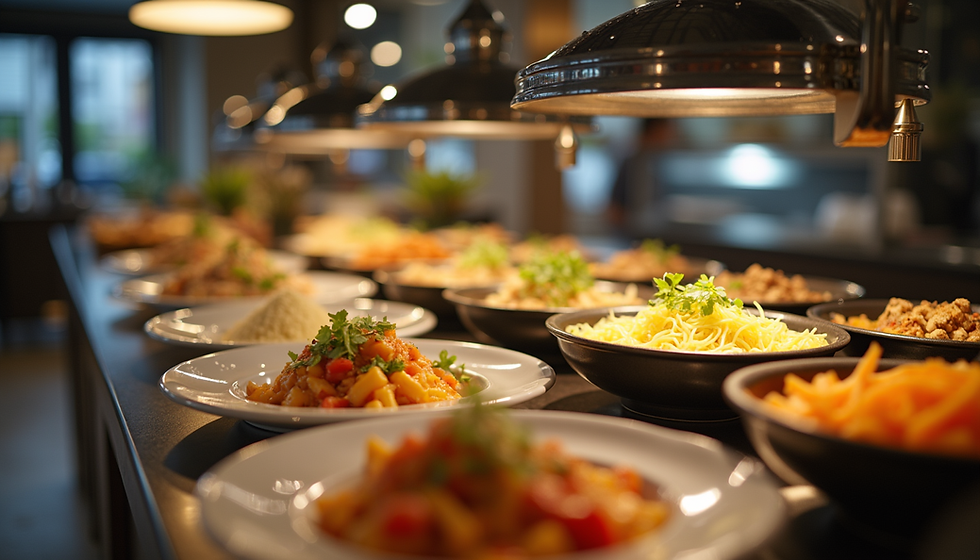
Hygiene extends beyond the kitchen to how food is presented and served. I ensure that serving utensils are clean and replaced regularly. Buffet setups include sneeze guards to protect food from airborne contaminants.
Staff serving food wear gloves and masks when necessary. Disposable plates and cutlery are an option for outdoor events to minimize contamination risks. I also monitor the temperature of food during service to keep it safe for consumption.
Why Safe and Hygienic Catering Matters
Choosing safe and hygienic catering is not just about compliance; it is about respect for guests' health and well-being. Foodborne illnesses can ruin an event and damage reputations. By prioritizing hygiene, I help create memorable experiences where guests feel confident and cared for.
This commitment to hygiene is especially important in busy locations like Tirupati and Renigunta, where diverse events demand consistent quality and safety.
Continuous Improvement and Feedback
Hygiene standards evolve, and so do I. I regularly review processes and seek feedback from clients and guests. This helps identify areas for improvement and adapt to new regulations or best practices.
Investing in modern equipment and technology also supports hygiene efforts. For example, using automated dishwashers and temperature monitoring systems reduces human error and enhances safety.
Final Thoughts on Hygienic Catering Services
Delivering hygienic catering services requires dedication, knowledge, and attention to detail. From sourcing ingredients to serving the final dish, every step matters. I am committed to upholding these standards to ensure every event is a success.
By following these guidelines, event organizers, families, and businesses in Tirupati and Renigunta can enjoy worry-free catering that delights the palate and protects health. Trust in a catering service that values hygiene as much as taste.
For more information on maintaining hygiene in catering or to book a service, visit Sri Lakshmi Catering Services.


Comments