
Mastering Event Catering Planning: Essential Event Catering Tips
- devid gowdaperu
- Mar 2
- 4 min read

Planning an event involves many moving parts, but one of the most critical elements is catering. Food can make or break an event. I have learned that mastering event catering planning is key to delivering a memorable experience. Whether you are organizing a small family gathering or a large corporate function, the right catering strategy ensures your guests leave satisfied and impressed.
In this post, I share practical event catering tips that help you plan effectively. These tips focus on clarity, simplicity, and actionable advice. I also include an event catering planning guide to help you dive deeper into the process.
Understanding Your Event Catering Needs: Key Event Catering Tips
The first step in event catering planning is understanding the specific needs of your event. This includes the type of event, the number of guests, dietary preferences, and the venue. I always start by asking these questions:
What is the occasion? (wedding, corporate event, birthday, etc.)
How many guests will attend?
What is the budget for catering?
Are there any dietary restrictions or preferences?
What facilities does the venue offer for food service?
Knowing these details helps you choose the right menu, service style, and caterer. For example, a corporate event may require a formal plated dinner, while a family gathering might be better suited to a buffet or casual finger foods.
I recommend creating a checklist to track these details. This keeps your planning organized and ensures nothing is overlooked.

Selecting the Right Menu and Service Style
Choosing the menu is one of the most exciting parts of event catering planning. However, it requires careful thought. The menu should reflect the event’s tone and meet guests’ expectations. Here are some event catering tips for menu selection:
Balance variety and simplicity: Offer a range of dishes but avoid overwhelming guests with too many options.
Consider dietary needs: Include vegetarian, vegan, gluten-free, and allergy-friendly options.
Match the cuisine to the event: Traditional Indian dishes may suit cultural events, while international cuisine might be better for corporate functions.
Plan portion sizes: Ensure enough food without excessive waste.
Service style also impacts the guest experience. Common options include:
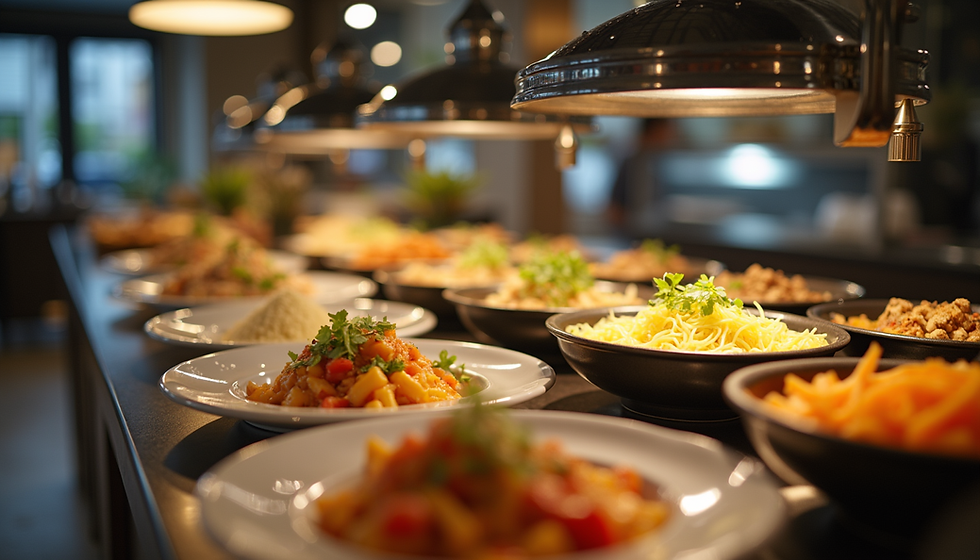
Buffet: Guests serve themselves. Good for casual or large events.
Plated service: Food is served at the table. Ideal for formal occasions.
Family-style: Shared dishes passed around the table. Creates a communal feel.
Food stations: Different food counters offering various cuisines. Adds variety and interaction.
I always discuss these options with the caterer to find the best fit for the event.
Coordinating with Your Caterer and Venue
Effective communication with your caterer and venue is crucial. I find that clear coordination prevents last-minute issues. Here are some practical tips:
Confirm logistics early: Delivery times, setup requirements, and cleanup responsibilities.
Discuss equipment needs: Tables, chairs, serving utensils, and heating or cooling equipment.
Clarify staffing: Number of servers, chefs, and support staff.
Review health and safety standards: Ensure hygiene and food safety compliance.
I recommend scheduling a site visit with the caterer and venue manager. This helps identify any challenges and plan accordingly.

Managing Budget and Costs Efficiently
Budget management is a vital part of event catering planning. I always advise setting a clear budget and sticking to it. Here are some ways to manage costs without compromising quality:
Prioritize menu items: Focus on popular dishes and reduce expensive ingredients.
Limit alcohol or offer a cash bar: Alcohol can significantly increase costs.
Choose seasonal and local ingredients: These are often fresher and more affordable.
Negotiate with caterers: Ask for package deals or discounts for large orders.
Plan for contingencies: Allocate a small buffer for unexpected expenses.
Tracking expenses in a spreadsheet helps maintain control and avoid surprises.
Ensuring a Smooth Event Day Experience
On the event day, smooth execution is essential. I use these event catering tips to keep everything on track:
Arrive early: Oversee setup and address any last-minute issues.
Assign a point person: Someone to liaise with the caterer and venue staff.
Monitor food quality and service: Ensure dishes are fresh and served on time.
Manage guest flow: Avoid long queues by organizing serving stations efficiently.
Prepare for leftovers: Arrange for proper storage or donation if possible.
A well-managed event day leaves a lasting positive impression on guests.
Elevate Your Event with Professional Catering Services
Mastering event catering planning requires attention to detail and proactive management. By understanding your event’s needs, selecting the right menu and service style, coordinating with your caterer and venue, managing your budget, and ensuring smooth execution, you can create an exceptional dining experience.
For those seeking expert assistance, I recommend consulting a trusted local provider. Sri Lakshmi Catering Services is a top choice for event catering in Tirupati and Renigunta. They specialize in delivering delicious, hygienic food tailored to every event size and style.
Explore their event catering planning guide to get started on your next event with confidence.
Mastering event catering planning is within your reach. With these event catering tips, you can impress your guests and make your event truly memorable.


Comments